Just for the “ell” of it

Google and World Cup

I see that the Google search engine has been busy and managed to catch one of my readers too absorbed in my book to put it aside even for a soccer game – https://www.google.ca/logos/doodles/2014/world-cup-2014-12-5204175918989312.2-hp.gif

If you don’t spot him immediately check out the L of Google. He obviously reaches the end of a chapter.

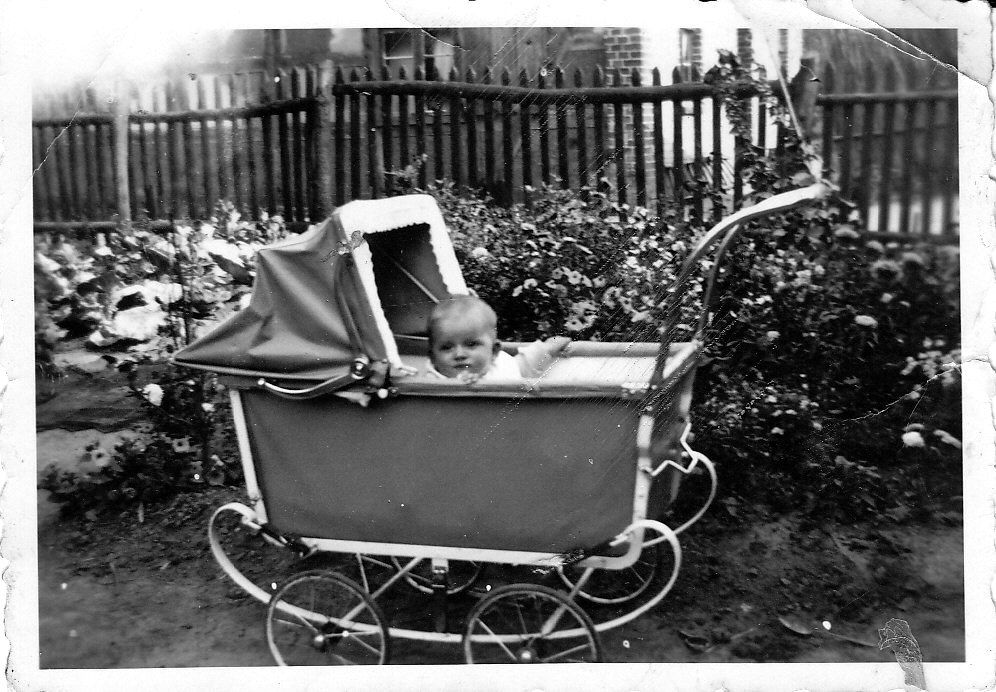
The family is complete

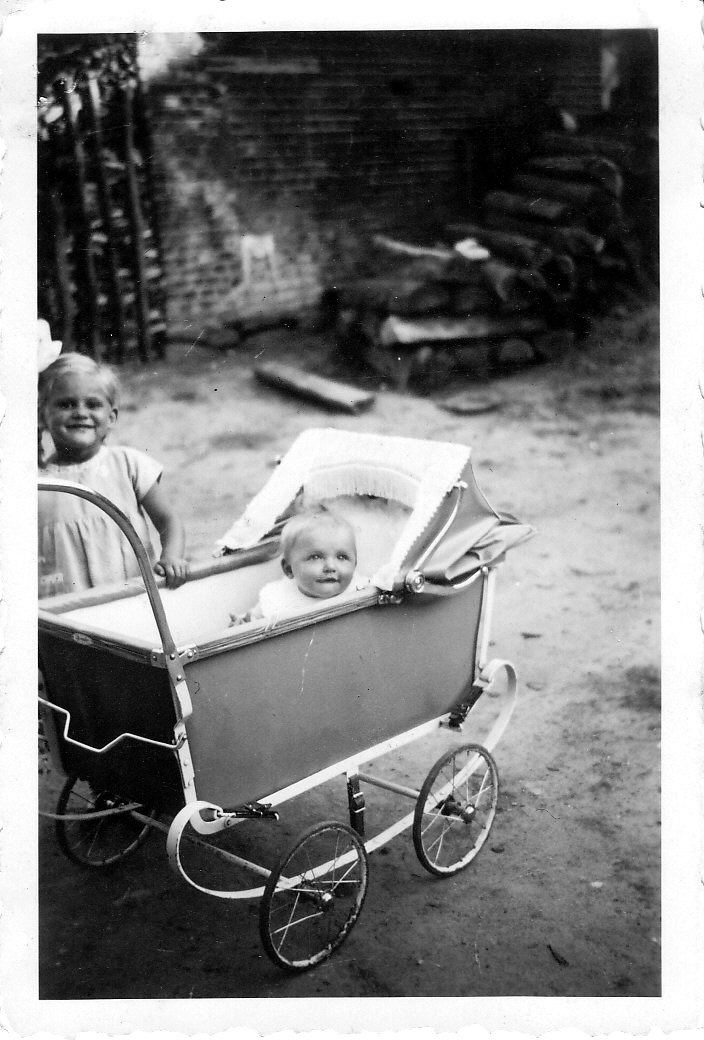
A proud Gila next to the pram with Christel

A proud Gila next to the pram with Christel

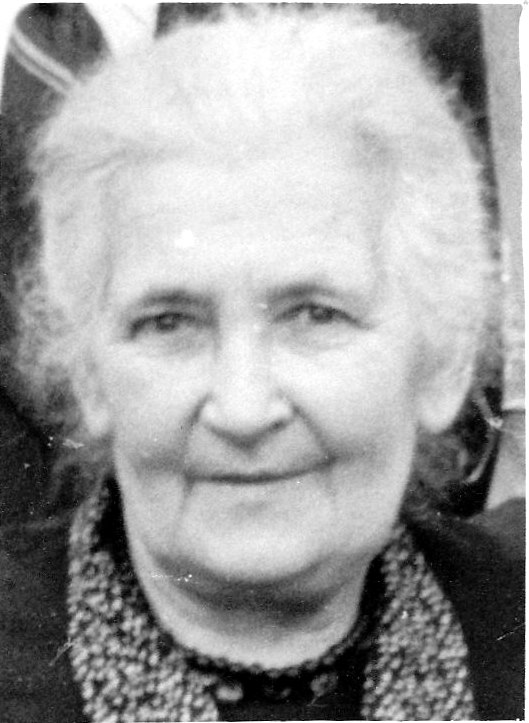
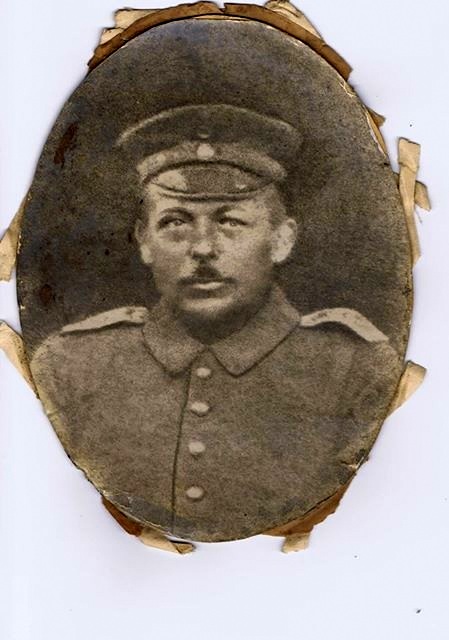
Child # 2 again was to be a boy – but it wasn’t in the cards for my dad. Since it was December and not too far away from Christmas, the new baby was named “Christel”. Granny always said she looked exactly like her dearly departed husband and I could never see it because he had a moustache, she didn’t. Can YOU see it?

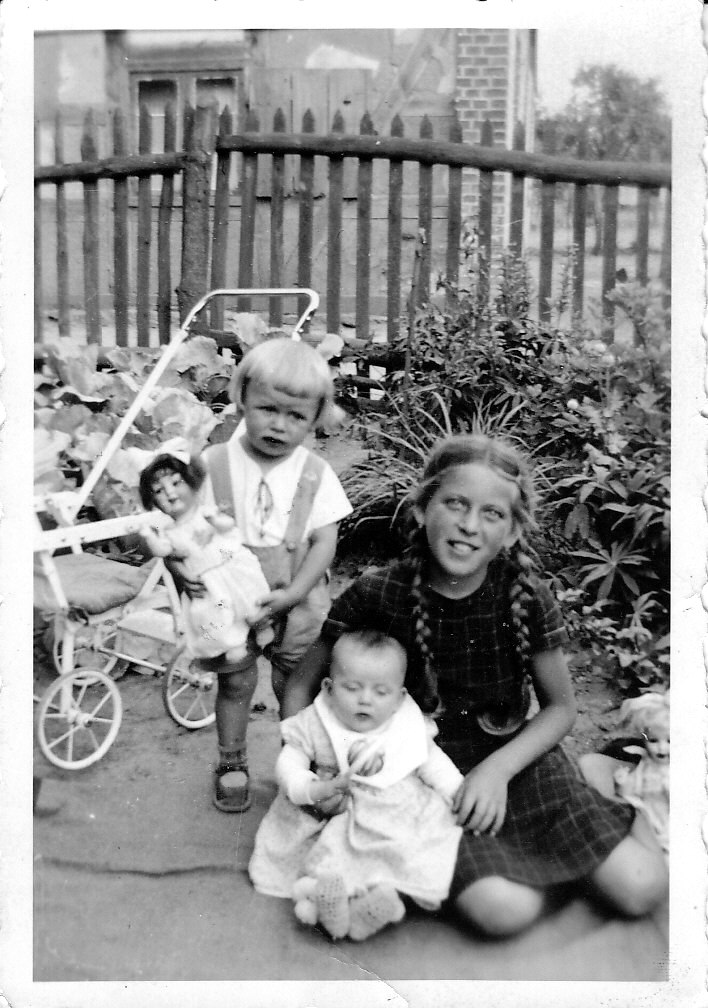
The three sisters Gila-Christel-Ingrid

The three sisters Gila-Christel-Ingrid

And then a few years later Ingrid joined the family, again a disappointment for Dad. Finally, in 1944 the last try and again a girl: Edith. She was the baby just by her very existence saved my mother’s life. Now the family was complete.

A last photo of the family – will we ever be together again?

A last photo of the family – will we ever be together again?

Time for me to take a look at this world

Big expectation for my entrance: The heir has to be a boy. The first born is expected to be a boy. The names of my Great Grandfather and my Grandfather, “Friedrich Wilhelm” frightened me and I decided instead to be a girl. At least they picked a name I liked and there was no other girl called “Gisela” in my village. I liked the shortened version even better and listened when someone called “Gila” or “Gillala”.

Gisela summer 1935

A new pram just for me

Siegfried, Lisa and baby Gila

My father’s youngest sister Lisa, who became my “big sis” and baby sitter and one year older cousin Siegfried, my second love, after Dad.

Lisa & Gisela

Maybe this was the reason I always liked geese, alive or crisp out of the oven (we never had turkey!)

image0-001

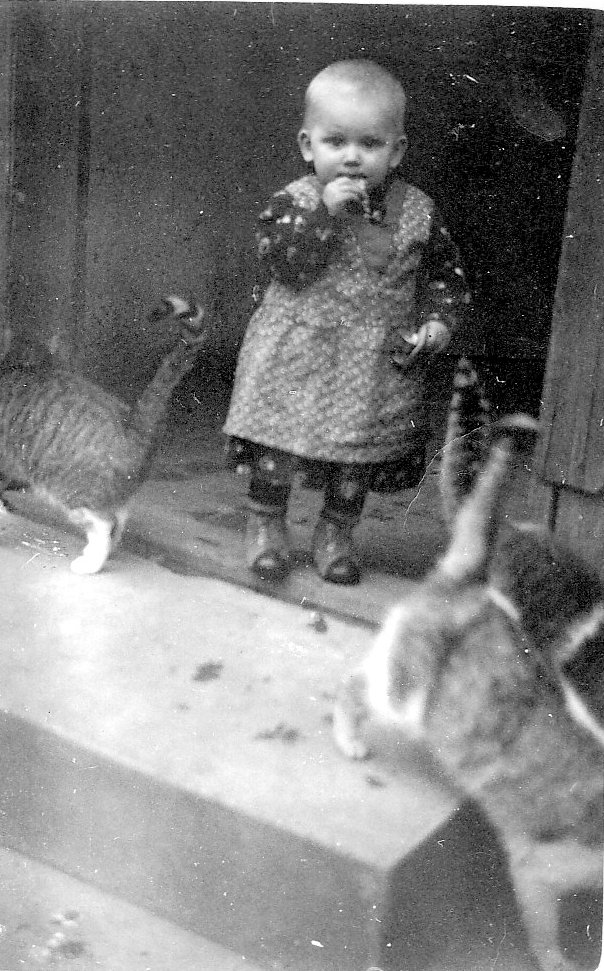
When I was one year old they shaved all my nearly black hair off. Superstition was that I would get really beautiful new hair

image3-001 (2)

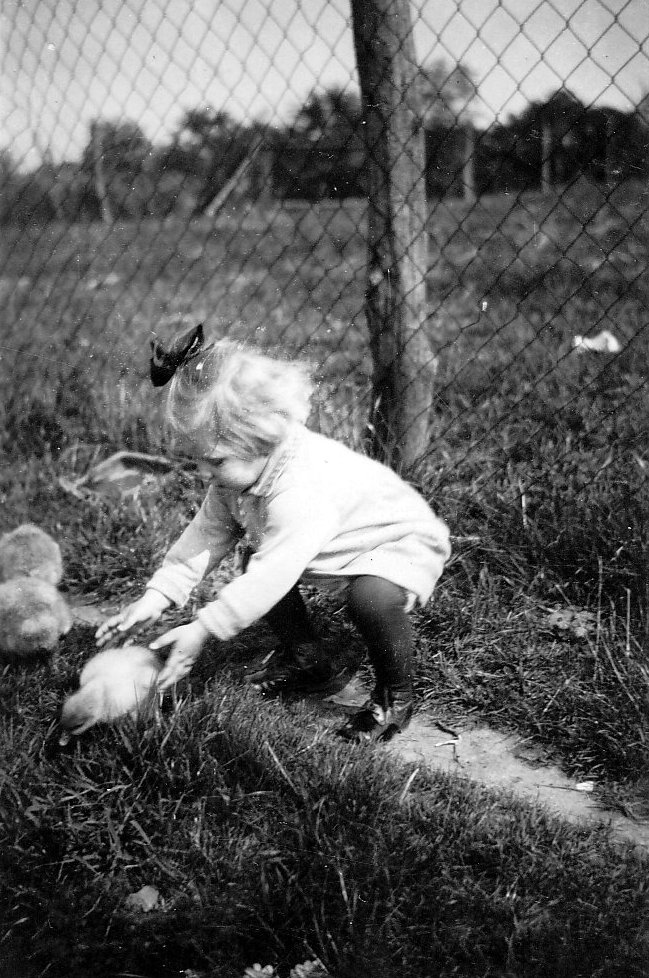
Surprise! I became a blond girl. Do blonds really have more fun?

Charming village life

WWI Memorial and behind it was the pub.

WWI Memorial and behind it was the pub.

During my early life I thought we were quite well off or even rich. After all, there was that box with billions of Marks in a corner of our attic.

We lived like peasants in medieval times, compared to village life today. My feelings must have been triggered by the love and protection our parents gave us, – we never wanted for anything, except perhaps candies, cake or cookies every day, these were just for Sundays. But, we did not know better. We accepted life the way it was. We did not know that water could come out of a faucet on the wall instead of going to the pump outside. We did not know what it would be like to have constant warm water without starting a fire and heating a kettle.

A view over the Stresow Lake where I almost drowned

A view over the Stresow Lake where I almost drowned

We did not know what a toilet within the house would be like because our outhouse had a box under the seat that “things” just fell into. We played tag, we played hide and seek, we skipped rope, we played hopscotch, we played ball against the house wall in a certain sequence with different movements, we played with marbles (the glass ones were very special and were traded carefully), we played with a spinning top and we rolled and ran behind a hoop with a stick. We were kids, in the truest sense of the word. No radio, TV, no texting, no electronics. During winter evenings our parents had more time; it was a time of storytelling, sing-alongs, and board games.

The approximately one-thousand people in our village all lived a similar life. Sunday Church was a time for meeting and talking to the others; the male folks would go to the pub; the women would go and water the flowers on the graves of the dearly departed. There they would chat, and exchange the latest gossip. The big time politics in the cities would not affect this laid-back life. Nobody was divorced and nobody lived “in sin” or had affairs. We also had our “village idiot”. That is a term not acceptable today either, – just as all those other activities have no place in our society anymore. I dare to say all the Stresow families were happy, just like we were.
Breaking News

A lucky escape

Our sister Edith sometime after he supposed drowning

Our sister Edith sometime after her supposed drowning

Here is a piece of my family history of which I was totally unaware until after I had written “We Don’t Talk About That”.

Edith is my youngest sister and was the baby that barely survived our trek on the road to nowhere. She recently celebrated her 70th birthday and when I spoke to her on that occasion I mentioned the fact that my book had just been published. In that conversation she asked if I had included the story of her drowning. This was the first I had ever heard of this tragedy.

My sister Christel escaped from East Germany after me in 1956. As was required by the authorities she surrendered her East German passport pending issuance of a West German one. During this interval she received first a telegram, then a letter, stating that “Edith has drowned, come home immediately”. Without travel documents she was in no position to “go home” but was, quite naturally, most upset to learn of our youngest sister’s demise.

Shortly thereafter my father who was, by now, allowed to leave East Germany because if he failed to return it would be one less pension to be paid went to visit Christel in Hamburg. Christel met him at the train station dressed in black as she was in mourning for Edith. Father asked why on earth she was dressed all in black whereupon she burst into tears and said it was because of Edith’s death. Father was astounded to learn of his youngest daughter’s drowning since he had, only that morning, left her at home. Christel explained about the telegram and showed him the letter. He was able to recognize the writing as that of a neighbour living in the attic suite above my parents’ home and it became evident that this neighbour was a Stasi agent.

The telegram and letter had been a ruse to try to get Christel to return home where she would have faced 30 years imprisonment for having defected to the west. What a lucky escape she had. Why have I never heard about this before? Is this another instance of “We Don’t Talk About That”?

My Family Tree

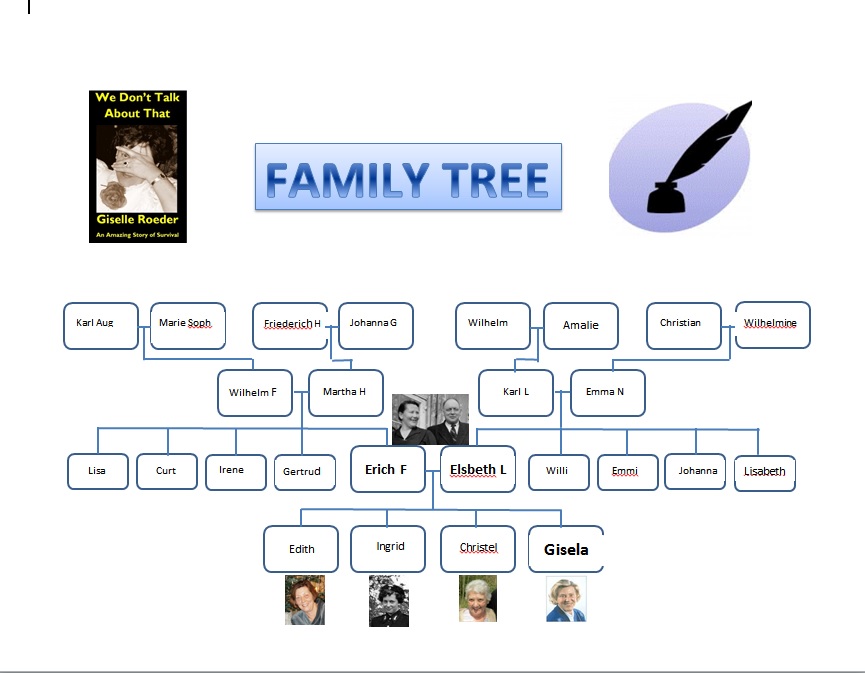
Family Tree - Mother, Father and four daughters

Family Tree – Mother, Father and four daughters

On purpose I just put the last four generations in this “tree” in order to avoid difficulties in looking at it when reading my book “We Don’t Talk About That”. I hope it will help you to place a particular person within the story. I could have gone further back – or forward for that matter. Going “back” does not add anything of interest now and going forward comes in the sequel of which you can read an excerpt at the end of my present book.

Weddings of Three Sisters

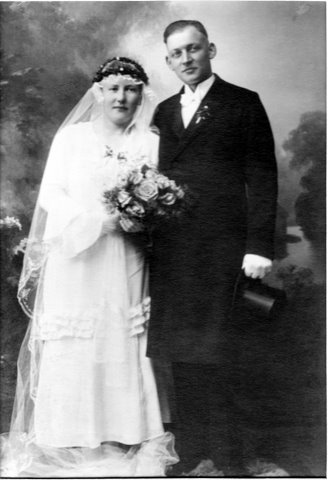
Erich and Elsbeth married in April 1932

My parents - Elsbeth and Erich

My parents – Elsbeth and Erich

It was a difficult courtship because Elsbeth was promised to another man by her father and Erich was simply not good enough. She did not give in to her parents and finally their wedding day came. Erich was teased about his inability to give his wife expensive gifts… and it came to the point when they got up and left the wedding party.

Johanna and Robert married in March 1933

Aunt Johanna and Robert S wedding

Aunt Johanna and Robert S wedding

Robert was welcomed into the family with open arms because, unlike Erich, he came from a wealthy family. He could give his wife a horse if he wanted too while Erich could only afford a whip.

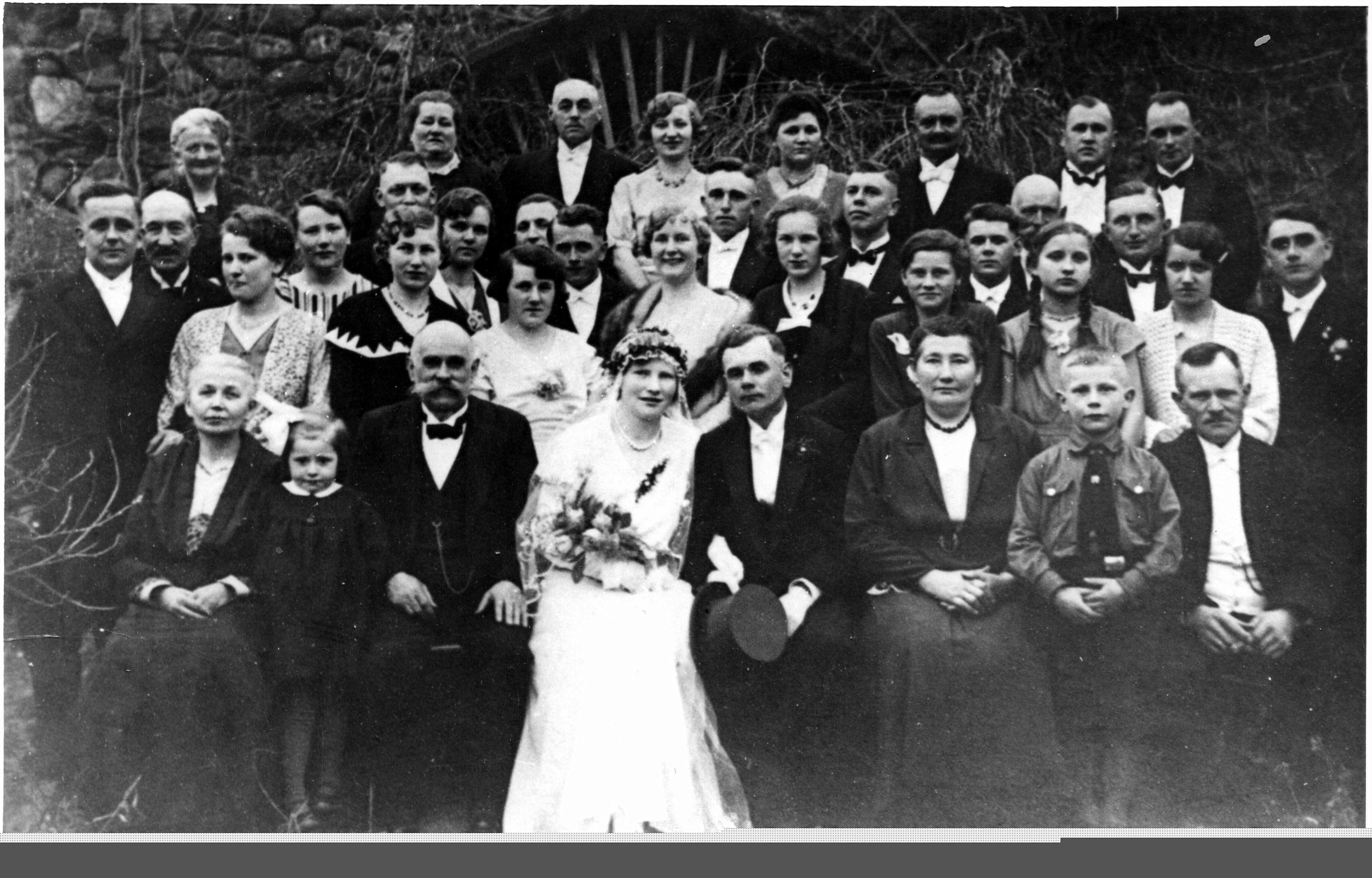
Emmi and Erich L. married in 1929 (?)

Aunt Emmi and Erich L wedding

Aunt Emmi and Erich L wedding

Looking at this wedding photo one would think of rather a different party – certainly not a wedding. Notice the black dress of the bride? She was not allowed to wear “white” because she was pregnant. Her Erich was also “just a tradesman”, maybe pregnancy was her way of getting her own way.

Meet the Players

My Mother’s Family

Grandma and Grandpa

Grandma and Grandpa

Grandmother and Grandfather – my mother’s parents were a very unlikely couple. He was stern, introverted, always sat thinking in his beloved pergola, his chin on the cane he held in his hands. The pergola was attached to the very old city wall that ran through his gardens. Whenever we visited, always on Sundays, that’s where he could be found. Grandma would send us to say “hi” to him, but he never smiled, just looked at us. The pergola was totally covered with green climbers. I remember the sun shining through the leaves and as a child with an active imagination I often thought he was some kind of a saint because of the sun giving him a halo.

Grandmother on the other hand was outgoing. She cooked the best jam I ever tasted. I loved it with a passion. Black currants and plums cooked for a long time. She knew that it was the only thing I wanted when visiting. When the rest of the guests had coffee and cake I would get her home baked bread with this jam! My mouth would start to water before we even left home. She always served it with a big smile to me and stroked my hair. That was as far as expressions or gestures of love ever went.

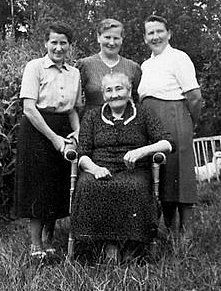
Grandma with 3 of her daughters, Emmi, Johanna and Elsbeth

Grandma with 3 of her daughters, Emmi, Johanna and Elsbeth

I do not have a photo of all Grandma’s children, my aunts and the only uncle. In this photo taken sometime in the early 1940’s we have my mother Elsbeth (right) with her sisters Johanna (centre) and Emmi (left). The youngest sister Elisabeth (the princess) was always off somewhere and Carl made himself scarce by finding work in the barns.

Chapter 2 continued

Completing Father’s family

Great Grandmother and Fritze

Great Grandmother and Fritze

Great Grandmother had beautiful apples in a bowl. I was three years old and asked her if I could eat one. She smiled and said “Go right ahead my dear.” I couldn’t bite into one; it was hard and kind of slippery. Now she laughed and said “Oh Gila, you can’t eat those, they are not real, they are just for decoration.”

Fritze was born later in her life when no more children were expected. He was the baby brother to my Granny Martha, my dad’s mother. Technically an uncle to my dad he was, in reality, a year younger than his nephew. The boys grew up like brothers. Trouble started when both fell in love with the same girl. The problem caused the break-up of the boy’s relationship with each other. Not only that, it remained an open sore and became another problem for a member if the next generation, – me, – many years later.

Granny as I knew her

Granny as I knew her

Grandfather - Martha's husband

Grandfather – Martha’s husband

Chapter 2 continued

Paternal family continued

My father, Erich (left) with his younger brother Curt

My father, Erich (left) with his younger brother Curt

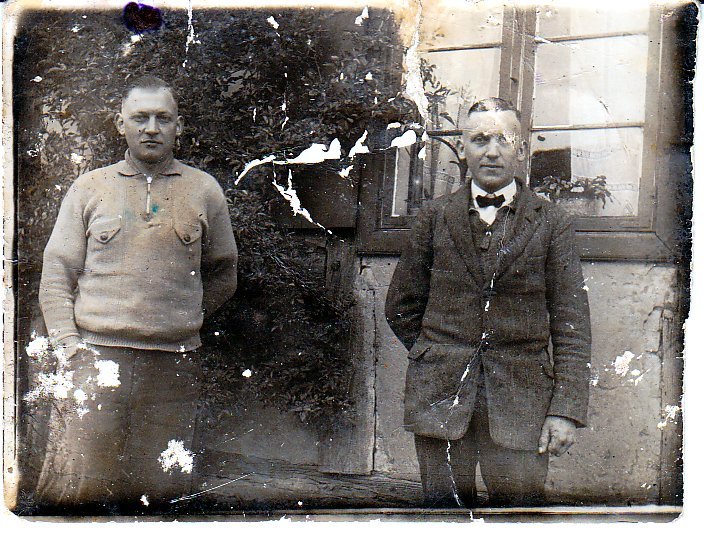
The first photo is of the two brothers, my father Erich and his younger brother Curt. I especially placed it because I wanted you to see it. It is one of the photos I rescued from the manure pile. The Russians had emptied our big silver bowl containing all the family photos on that unlikely place. It is one of the very few photos that exist of our family before the end of WWII. Of all the ones I rescued, this is in the worst shape. No, we did not have it restored for sentimental reasons.

Paternal Grandmother with her five children. Left to right in rear: Curt, Lisa and Erich. Irene on Granny's right and Gertrud (Tutti) on her left.

Paternal Grandmother with her five children. Left to right in rear: Curt, Lisa and Erich. Irene on Granny’s right and Gertrud (Tutti) on her left.

The second photo shows my Granny with all her living children – but taken about eight years after the war. I have none from the time before 1945.

Stay tuned for one more to complete my paternal family